Zesty Tomato Ketchup

Recipe – Zesty Tomato Ketchup

We all buy it … But, do you know what is in the bottled ketchup that you buy at the store?    Sugar, Corn Syrup, Preservatives and Way Too Much Salt… 

You can easily make your own with ingredients you most likely already have in your kitchen pantry.    Not only do you save money, you know the quality of what you are getting….

I have been wanting to make my own ketchup for a while…     After an incredibly busy day, I sought the calmness of my kitchen to settle my thoughts… Here’s what resulted…  I love it and hope that you do too….

Gypsy World Spice Cafe Recipe – Zesty Tomato Ketchup

Yield:  Two 14 oz bottles (or plastic containers)

30 oz of canned tomato sauce ( two 15-oz cans)

1/3 cup honey

1/3 cup red wine vinegar

2 tablespoons onion, minced

2 cloves garlic, minced

1 teaspoon salt

1/2 teaspoon ground black pepper

1/2 teaspoon ground mustard

1/8 teaspoon ground cayenne pepper

1/8 teaspoon ground allspice

1/8 teaspoon ground cloves

1/8 teaspoon ground coriander

1 teaspoon ground sumac (optional)

  1. Combine all ingredients in a saucepan.
  2. Over low heat, simmer until you get the ketchup consistency that you prefer (about 30 minutes)
  3. Pour into containers and refrigerate.

Blogger’s Comment:   Tasted so good that I almost wanted to break diet to have a french fry – just to dip it…. ha ha

Sassy Salt!

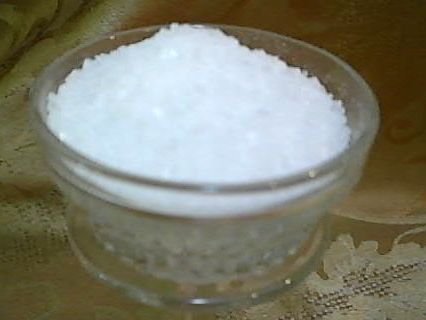
 This back to basics article will focus on Salt even though it is categorized as a mineral (not as a spice or dried herb).  While most people use Salt to enhance the flavor of recipe or use it as a food preservative, Salt actually plays the role of being the flavor coordinator (ensuring that flavors meld and do not overpower one another). 


Salt has been used by people since beginning of time… Some say that it may have been discovered when people realized that the use of salt water obtained from the sea actually flavored vegetables during the cooking process…

While, I am not a huge fan of Salt and like to cook with it sparingly, I did learn a lot about Salt while working on this article. Most importantly, one learning is the fact that our bodies need salt. Salt has sodium which maintains fluid in blood cells (affecting nerves and muscles). Low sodium in our bodies will typically happen when one is dehydrated. Symptoms of low sodium are muscular weakness, cramps and heat exhaustion. This can be avoided by eating a balanced diet.

The most popular type of Salt used for cooking is Kosher Salt which is known to dissolve quickly. It is coarse in texture…making it easier to grab with your fingers when cooking. It is harvested from either the sea or the earth.

Another type of Salt that is popular for cooking is Sea Salt. There are many different categories of Sea Salt.

  • Crystalline Sea Salt is added to food at the end of the cooking process. It has a tangy flavor that complements all foods. The texture can be either fine or coarse. Sea Salt may contain minerals that impact the color of the Sea Salt crystals. These additional minerals may also impact the flavor of the Sea Salt.


  • Flaked Sea Salt is also added to food at the end of the cooking process. It has a briny flavor which pairs well with vegetables and shellfish. It is soft in texture and has “pyramid-like” shaped flakes. Of all the Salt types, it dissolves the fastest. It is typically harvested in England.


  • Fleur de Sel is used at the table so it can be dusted on food just prior to eating. It is known as a “special occasion” salt that is earthy in flavor and dissolves slow The texture is described as being crystalline. It is harvested by hand in France.

Pickling Salt is used to brine food. It is very concentrated in flavor in comparison to Kosher Salt. Be sure to adjust the amount of salt in your recipe where needed. It is just about 100% sodium chloride and is not fortified with iodine (like table salt is). It’s texture is fine-grained like table salt and can be harvested from the sea or the earth.


Traditional Recipe – Sesame Salt

1/2 cup Toasted Sesame Seeds

2 teaspoons coarse salt

Transfer ingredients to a spice grinder and grind until you have a sand-like consistency.

Note:  Can be refrigerated for up to a month.

Taster’s Comments: Used it on Grilled Steak. It was awesome! 


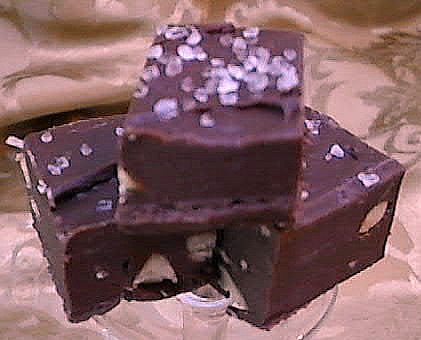
Gypsy World Spice Cafe Recipe – Sea Salted Chocolate  Almond Fudge 

18 ounces of semi-sweet chocolate chips

1 14-oz can sweetened condensed milk

pinch kosher salt

1/2 cup almonds, chopped

1-1/2 teaspoons vanilla extract

1/2 teaspoon cinnamon

1/2 teaspoon sea salt for sprinkling

  1. Line a 8×8 square pan with aluminum foil and set aside.
  2. In a heavy saucepan, over low heat, melt the chocolate chips with the sweetened condensed milk and kosher salt.
  3. Remove from heat. Stir in almonds and vanilla extract.
  4. Spread chocolate mixture into the prepared pan. Sprinkle with the Sea Salt.
  5. Refrigerate for 2 hours or until firm.
  6. Lift fudge out of pan and peel off the aluminium foil. Cut into 36 squares.

Blogger’s Comment:   Try substituting smoked almonds for plain almonds.  It goes really well with the Sea Salt. 

Taster’s Comment:   Candy quickly disappeared.  They liked the salty sweet combination. 


Culinary Uses For Salt 

Add a dash of salt to green salads to prevent wilting.

Add a pinch of salt to beat egg whites — it will make them fluffier.

Add a pinch of salt to whipping cream and they will whip up faster.

A dash of salt enhances the taste of tea, coffee and cocoa.

If you use too much salt in a soup or stew, simply add a raw potato.

Soak clean hands in salt water after cutting hot chili peppers to prevent chili oil from getting in your eyes.

Soak fish or seafood in cold, icy salt water for 15 minutes. When done, dry and prepare. (Rule of Thumb: 1 tablespoon salt to 2 quarts of cold water).

Add Salt to Pasta cooking water after it boils to and the water will boil faster

 
Household Tips for Salt

Gargle with hot salted water when you have a sore throat.

Mix with baking soda to brush your teeth.

Add a little salt to your water for your vase. The cut flowers will have a longer life.

If you have a wine-stain, cover with salt, rinse in cool water.

Use salt to kill weeds in the lawn or to kill grass between sidewalk bricks.

Back to the Basics For Your Spices and Dried Herbs…

 
This is the time of year that most kids have either already headed back to school or are getting ready to. It dawned on me that this would be a good time for a Back to Basics article about Spices and Dried Herbs. 
 
 
Most people are already starting to think about fall cleaning and getting more organized… It is good time of year to check out your spice inventory to make sure that your spices do not have outdated expiration dates. You’d be very surprised how long some of those spices you bought years ago are still lingering in your spice cabinet.


 What is the difference between Spices and Dried Herbs?
 
Herbs are considered the leaves of low-growing shrubs. They can be used either fresh or dried. (Examples: Parsley, Basil, Oregano, Rosemary)
 
Spices are produced from the bark, root, buds, seeds, berry or fruit of tropical plants and trees. (Examples:  Cinnamon, Ginger, Saffron, Sumac, Paprika)  


What is the “Rule of Thumb to Substitute Dried Herbs for Fresh Herbs?
 
Basically, you can substitute 1 part of dried herbs for every 3 parts of fresh herbs.


How Should Spices and Dried Herbs be Stored? 
 
Spices and dried herbs should be store in tightly covered containers. There are all kind of nifty options out there online and in stores (glass jars, plastic containers or tins). 
 
When storing your spices and dried herbs, it is definitely best to avoid moisture, light, heat and air. If you prefer to keep favorite “go to” spices handy, be sure to keep them away from sunlight and from appliances that generate heat. 
 
Another tip is to use a dry measuring spoon to transfer spices and herbs from their container to your hot pan (that is most likely steaming away). This steam can enter the container and create moisture which will then cause caking or clumping (or even worse …mold). 


How Long can Spices and Dried Herbs be Stored?
 
The shelf life will vary for each dried herb and spice. To ensure that you get the most out of your purchase, be sure to buy from a credible vendor and also check the expiration date. There is no telling how long that product has been on the store-owners shelf.
 
Also, if you are not sure how quickly you will use it, be safe and buy a smaller container.
 
Regardless of where or how you purchase, it is always a best practice to label the spice jar with the date that you bought it using a permanent marker. 
 
Here are some general “rule of thumb” guidelines for shelf life.
 
Whole Spices and Herbs
 
Leaves and Flowers – 1 Year Shelf Life 
Seeds, Barks and Roots – 2 + Year Shelf Life 
 
Ground Spices and Herbs
 
Leaves, Seeds and Barks – 6 Month Shelf Life 
Roots – 1 Year Shelf Life 


Are there any Health Benefits?

 
Looking to Reduce Sugar Intake?
 
Target sweet tasting spices. Some Spices that fall into this category are allspice, cloves, ginger and cinnamon. 
 
Looking to Reduce Salt?
 
Target spices that have strong flavors like pepper, garlic powder, cumin, tarragon, basil and ginger. Opt to use dried herbs/spices in your pasta water instead of salt.  Read labels.  Many spice blends on the market contain a great deal of salt. 
 
 
Taking good care of the dried herbs and spices you buy will ensure that you will get the most flavor…


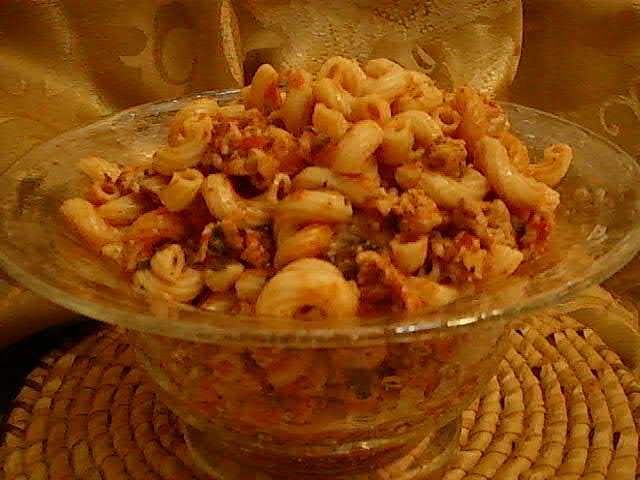
“Sumac-aroni”

 
Sumac-aroni
 

 Being a busy Mom, dinner time can sometimes be a challenge.  During the week, I try to keep meals simple and “quick to make” without sacrificing quality and flavor….  

Below is a recipe I created to test out my Sumac House Spice Blend which combines a lot of my favorite spices.   It highlights sumac along with black pepper, garlic powder, cumin, oregano and some other select spices.  It has been a great “go to” when cooking.  As a personal choice, in order to control the amount of sodium in meals, salt is not included in my spice blends.  It is amazing how much hidden sodium is already in your food before you cook it…. be sure to read labels…

This recipe is not only fast and easy….it is full of flavor and healthy.  My family really enjoyed this and the leftovers were appreciated. 

Gypsy World Spice Cafe Recipe — Sumac-aroni

1 box elbow macaroni

1 pound ground turkey (or italian turkey sausage)

1/2 small onion, chopped finely

1/2 green pepper, chopped finely

2 garlic cloves, minced

2 tablespoons olive oil

2 tablespoons Sumac House Spice Blend, divided

1 jar marinara

1 teaspoon oregano

black pepper & salt

2 tablespoons parsley, chopped

feta cheese, crumbled (optional)

  1. Cook pasta acording to directions on box and set aside.
  2. Heat oil in a sautee pan and cook the onion and pepper for 3-4 minutes until softened.  Add garlic and cook an additional 2 minutes.
  3. Add the ground turkey to the pan.  Season with 1-1/2 tablespoons of the Sumac House Spice Blend and also with salt & pepper (to taste). 
  4. Cook turkey until all juices run clear (all the pink is gone).
  5. Add the jar of marinara and 1/4 cup of water.
  6. Bring to a boil.  Add remaining 1/2 tablespoon of the Sumac House Spice Blend.  Simmer for 10  minutes.  
  7. Adjust the seasoning as needed.
  8. Stir the meat sauce into the pasta  along with the parsley.
  9. Serve with crumbled feta on the side.


Blogger’s Note:  I prefer to use Barilla Plus macaroni.   It has added fiber and the macaroni has ridges which work out great for holding the sauce…

Taster’s Comment’s:   Too busy eating to speak…. 2-3 servings a piece…. no words necessary here…

Sumac Pepper Adds Zest to Everyday Cooking

Looking for a way to incorporate the spice Sumac into your spice world?  If so, the solution is easy.  You do not need any special recipe to get started… 

Sumac Pepper is a traditional spice blend that many keep in their kitchens not only for cooking but also as a condiment at the dinner table. 

Try substituting Sumac Pepper for generic ground black pepper.  I found it really added a great zing to everyday sandwiches and salads and now reach for Sumac Pepper more often than my black pepper…

Traditional Recipe – Sumac Pepper

3 Tablespoons black pepper, coarsely ground

3 Tablespoons sumac

In a small bowl, mix both black pepper and sumac.  Store in a container and / or pepper shaker..

Seeking Sumac…


.


Welcome to the debut article on the Gyspy World Spice Cafe blog. 
  
Be sure to check out the “About” section to learn more about the author,
the reason for the blog and what this blog will be all about… 


Why choose Sumac for the debut article?  
 
I love to cook! I am always searching out new recipes and ingredients to try. Recently, I’ve read and viewed recipes that have the spice ingredient called Sumac. In fact, on one show recently, a contestant on a “cook off” pulled Sumac out and called it their secret ingredient. That was enough to spark my interest enough to try this spice. First I checked out my local grocery store and upscale markets. No luck there. It was time to take the research online…  
 
 
What did I learn?  


First and foremost, be very careful when buying the spice Sumac. Always buy the spice Sumac from a reputable source. You do not want to have it confused with an the ornamental Sumac shrub grown in America that has inedible poisonous white berries (aka Poison Oak).      

The spice Sumac is grown in the Middle East and in parts of Italy. It has dark red berries that are sold as whole berries or as dried coarsley ground. It has a tart, fruity taste and the the smell is only slightly aromatic. This spice has been used for over 2,000 years ( mainly in Arabic cuisine as well in Turkey, Greece and Lebanon). North American Indians were known to use the spice Sumac to make a beer-like beverage.  Typically the spice Sumac is used as a souring agent. It is often used as a substitute for lemons. It pairs well with grilled meats & fish, rice, beans, vegetables, marinades and salad dressings. It is especially well known for being excellent with tomatoes. Hummus is often served with a dusting of Sumac…. Hmmm. I thought it was Paprika…  

I was very surprised to read about the spice Sumac’s medicinal uses and health benefits. It is known to have the affect to calm your stomach, promote digestion and reduce fever. I also read that some believe it to contain antioxidants and possess antimicrobial properties.  
 

Finally Finding Sumac… 

 
Empowered with all this information, I continued my search for the spice Sumac. While out and about with the family, we found that a new Mid-Eastern store had recently opened at a local shopping center. We all went inside to check it out and asked about Sumac — THEY HAD IT! After leaving the store, I carried my my purchase like I scored a treasure. Before we even got to the car, I had already opened the container to smell and taste the Sumac. It was pleasant and slightly tart. It was definitely not overpowering or dominant in either flavor or taste.
 
 
Cooking with Sumac

The next day, I hit the cookbooks and brainstormed ways to thread this new spice into my family meals over the next few weeks. I’ve incorporated the spice Sumac in breakfast, lunch, dinner, appetizer and even dessert dishes. I tried it on eggs, added it to both Pizza Sauce and Marinara Sauce, used it in hummus (adding a dusting on the top too), and on vegetables. It is very flexible and I think the best way to describe the spice Sumac is that is in my opinion it is a “flavor enhancer”. It takes food to the next level without you realizing it. It is a background flavor that leaves you wondering hmmmm this is good and I’m not sure why… At this point, I cannot imagine my spice cabinet without the spice Sumac.  


Traditional Recipe # 1 – Za’atar 
 
This traditional spice blend is used on vegetables and flatbread. You can mix it with olive oil or yogurt to make a very good dip.        
   

2 tablespoons dried thyme   

1 tablespoon sumac     

2 teaspoons sesame seeds, toasted     

1/2 teaspoon table salt       

Mix all ingredients in a small container with a lid. Give it a good shake. 


Traditional Recipe #2 – Warm Chickpea and Swiss Chard Salad with Sumac      

9 oz. dried chickpeas      

1/2 cup olive oil      

1 onion, cut into thin wedges      

2 tomatoes      

1 teaspoon sugar      

2 garlic cloves, chopped      

3 lbs swiss chard      

3 tablespoons fresh mint      

2-3 tablespoons fresh lemon juice   

1-1/2 tablespoons ground sumac       

  1. Place the chickpeas in a large bowl, cover with water and leave to soak overnight. Drain and place in a large saucepan. Cover with water and bring to a boil, then simmer for 1 3/4 hours, or until tender. Drain.
  2. Heat the oil in a frying pan, add the onion and cook over low heat for 3-4 minutes, or until soft and just starting to turn brown. Cut the tomatoes in half, remove the seeds and dice the flesh. Add to the pan with the sugar, cinnamon and garlic, and cook for 2-3 minutes, or until softened.
  3. Wash the swiss chard and dry with paper towel. Add to the tomato mix with the chickpeas; cook for 3-4 minutes, or until the swiss chard wilts. Add the mint, lemon juice and sumac; season and cook for 1 minute. Serve at once. 

   Blogger’s Comment: I chose to use only 1/4 cup of olive oil and seasoned with salt and pepper…   

Taster Comments:   One taster commented “This stuff is great!”.  Another taster commented “Love It!” and ate two servings.     

Source:  Taste of the Mediterranean Step-By-Step by Bay Books            


Gypsy World Spice Cafe Recipe –  Sumac Scented Cherry Almond Chocolate Bark


12 oz semi-sweet chocolate chips   

1/4 teaspoon ground cinnamon      

1/2 cup dried cherries, chopped      

1/4 cup sliced almonds, chopped finely      

1-1/2 teaspoons sumac, divided       

  1. Line a baking sheet with wax paper and set aside.
  2. Place the chocolate chips into a medium sized bowl. Microwave for 30 seconds at a time until the chips have softened up. Stir until smooth.Stir in cinnamon and 1 teaspoon of sumac.
  3. Pour the melted chocolate mixture onto the wax paper. Using a spatula, evenly spread the chocolateSprinkle the cherries and almonds on top. Using an off-set spatula, gently press into the chocolate.
  4. Dust the chocolate with the remaing 1/2 teaspoon of sumac. 
  5. Chill until set. Break into smaller pieces and store in an air-tight container in the refrigerator.

Variation: If you like a creamier texture, add 1-2 oz of half/half to the chocolate chips (before melting). Then add 1/4 teaspoon almond extract too if you like. It will take longer to set…         

 Taster Comments: One taster asked if I had added Cherry Juice as they had picked up on the fruity flavor of the Sumac. My younger tasters, got caught eating too much of the chocolate… they had it on their faces when I caught them …     

Upcoming Articles       

Working on developing my own spice blends. The next few articles will continue with the Sumac theme and be about the Sumac Spice blends.     You will also see mini-articles to give some other tips and facts about the Spice Scene…